

Catalog D11-D13
Home
- ▶
- Heaters/Source
- ▶
- Agilent Heaters and SensorsMass Spectrometry, Scientific Supplies & ManufacturingScientific Instrument Services 5973 Source Heater Tamper Resistant Allen Wrench 5973/5975 Quad Sensor 5985 Source Heater Assembly Agilent Interface Heater Assembly 5971 Interface Heater
- ▶
- Instrument Tubing
- ▶
- Gas RegulatorsModel 3530 Series - Single Stage Purity Brass Regulator Model 3510 Series - Single Stage High Purity Stainless Steel Regulators Model 3120 Series - Dual Stage Purity Brass Regulator Model 3810 Series - Dual Stage High Purity Stainless Steel Regulators Tescom Gas Line Regulators 3420 Series Tescom Gas Line Regulators 3450 Series Concoa In-Line Regulators Model 304 Series Concoa In-Line Regulators Model 324 Series
- ▶
- GCColumns Fused Silica Tubing Instrument Tubing Injection Port Liners Septa by Manufacturer SIS GC Cryo-Traps Ferrules Valves Swagelok® Fittings Pyrolysis Probe Accessories Gas Generators Gas Regulators Gas Purifiers and Filters Syringes SGE MEPS™-Micro Extraction by Packed Sorbent Purge and Trap System SGE SilFlow™ Stainless Steel Micro-Fluidic Platform Accessories NIST GC RI Library Other GC Supplies Catalog Page D1
- ▶
- GC Injection Port Liners
- ▶
- SGE GC Injection Port Liners (This Page)
Hover over image to zoom
Description
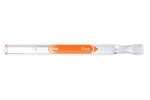
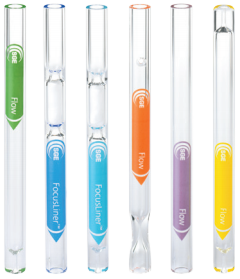
SGE offers a wide variety of injection port liners. Remember this when choosing a replacement liner and choose the one which best suits your application.Features
- highest quality borosilicate glass
- comprehensive range of styles
- deactivated liners
- lines indicate the position and amount of packing where required
- recognized as the industry standard liner
- preferred liner for split/splitless injection
- improves reproducibility 10 times
- fixed quartz wool wipes sample off the needle end
- highly deactivated
- ideal for dirty samples
Note: Drawings are not to scale
| Part No. | Description | Pkg | Quantity In Stock |
UOM | Price | Order |
|---|---|---|---|---|---|---|
| 092002 | LINER AG 4mm ID FOCUS | 5 | DISCONTINUED | PK | --- | --- |
 | ||||||
| 092219 | LINER AG 4mm ID FOCUS | 25 | 0†Standard lead-time for non-stock items is approximately two weeks depending on the item. | PK | $564.50 | |
| ||||||
| 092003 | LINER AG 4mm ID TAPFOCUS | 5 | 0†Standard lead-time for non-stock items is approximately two weeks depending on the item. | PK | $191.90 | |
 | ||||||
| 092011 | LINER AG 4mm ID TAPFOCUS | 25 | 0†Standard lead-time for non-stock items is approximately two weeks depending on the item. | PK | $749.10 | |
 | ||||||
| 092005 | LINER AG 2.3mm ID FOCUS | 5 | DISCONTINUED | PK | --- | --- |
 | ||||||
| 092008 | LINER AG 2.3mm ID FOCUS | 25 | DISCONTINUED | PK | --- | --- |
 | ||||||
| 092111 | LINER AG 2.3mm IDFOCUS | 5 | DISCONTINUED | PK | --- | --- |
 | ||||||
| 092115 | LINER AG 2.3mm IDFOCUS | 25 | DISCONTINUED | PK | --- | --- |
| ||||||
| 092007 | LINER AG 4mm ID STRGT | 5 | DISCONTINUED | PK | --- | --- |
 | ||||||
| 092222 | LINER AG 4mm ID STRGT | 25 | 0†Standard lead-time for non-stock items is approximately two weeks depending on the item. | PK | $342.70 | |
| ||||||
| 092001 | LINER AG 4mm ID QW | 5 | 0†Standard lead-time for non-stock items is approximately two weeks depending on the item. | PK | $103.60 | |
 | ||||||
| 092220 | LINER AG 4mm ID QW | 25 | 0†Standard lead-time for non-stock items is approximately two weeks depending on the item. | PK | $416.20 | |
| ||||||
| 092017 | LINER AG 4mm ID TAPER | 5 | 0†Standard lead-time for non-stock items is approximately two weeks depending on the item. | PK | $126.70 | |
 | ||||||
| 092229 | LINER AG 4mm ID TAPER | 25 | DISCONTINUED | PK | --- | --- |
| ||||||
| 092019 | LINER AG 4mm ID TAPER QW | 5 | 0†Standard lead-time for non-stock items is approximately two weeks depending on the item. | PK | $132.10 | |
 | ||||||
| 092018 | LINER AG 4mm ID DBLTAP | 5 | DISCONTINUED | PK | --- | --- |
 | ||||||
| 092230 | LINER AG 4MM ID DOUBLE TAPER PK25 | --- | 0†Standard lead-time for non-stock items is approximately two weeks depending on the item. | PK | $610.60 | |
| 092016 | LINER AG 1.2mm ID STRGT | 5 | DISCONTINUED | PK | --- | --- |
 | ||||||
| 092224 | LINER AG 1.2mm ID STRGT | 25 | DISCONTINUED | PK | --- | --- |
| ||||||
| 092004 | LINER AG QTZ 2mm ID STRGT | 5 | DISCONTINUED | PK | --- | --- |
 | ||||||
| 092013 | LINER AG 2mm ID GN | 5 | DISCONTINUED | PK | --- | --- |
 | ||||||
| 092010 | LINER AG 4mm ID GN QW | 5 | 1 | PK | $135.10 | |
 | ||||||
| 092223 | LINER AG 4mm ID GN QW | 25 | DISCONTINUED | PK | --- | --- |
| ||||||
| 092234 | LINER AG PACKED COL | 5 | DISCONTINUED | PK | --- | --- |
 | ||||||
| 092235 | LINER AG PACKED COL | 25 | DISCONTINUED | PK | --- | --- |
| ||||||
| 0726532 | VITON O-RING AG LNR PK10 | --- | 0†Standard lead-time for non-stock items is approximately two weeks depending on the item. | PK | $25.70 | |
| 0726005 | GRAPHITE O-RING 6.35MM PK10 | --- | DISCONTINUED | PK | --- | --- |
| 0726006 | GRAPHITE O-RING 6.00MM PK10 | --- | DISCONTINUED | PK | --- | --- |
| 092210 | LINER AC PTV INJ (UNTRD) | 5 | DISCONTINUED | PK | --- | --- |
 | ||||||
| 092211 | LINER AC PTV INJ PK25 (UNTRD) | --- | DISCONTINUED | PK | --- | --- |
| 092243 | LINER GE LVI PKT5 | --- | DISCONTINUED | PK | --- | --- |
 | ||||||
| 092246 | LINER AGILENT PTV STRGT | 5 | DISCONTINUED | PK | --- | --- |
 | ||||||
| 092092 | LINER PE 4mm ID FOCUS | 5 | DISCONTINUED | PK | --- | --- |
 | ||||||
| 092095 | LINER PE 4mm ID TAPFOCUS | 5 | DISCONTINUED | PK | --- | --- |
 | ||||||
| 092100 | LINER PE 4mm ID STRAIGHT | 5 | DISCONTINUED | PK | --- | --- |
 | ||||||
| 092103 | LINER PE 2mm ID STRGT | 5 | DISCONTINUED | PK | --- | --- |
 | ||||||
| 092098 | LINER PE 2MM ID PSS INJ | 5 | DISCONTINUED | PK | --- | --- |
 | ||||||
| 092101 | LINER PE PSS 2MMID FOCUS | 5 | 0†Standard lead-time for non-stock items is approximately two weeks depending on the item. | PK | $165.70 | |
 | ||||||
| 092244 | LINER PE PSS INJ LVI | 5 | DISCONTINUED | PK | --- | --- |
 | ||||||
| 092091 | LINER PE 3mm ID GN | 5 | DISCONTINUED | PK | --- | --- |
 | ||||||
| 092094 | LINER PE 2mm ID SGLTAP | 5 | DISCONTINUED | PK | --- | --- |
 | ||||||
| 092097 | LINER PE 1MM ID PTV GN | 5 | DISCONTINUED | PK | --- | --- |
 | ||||||
| 0726536 | VITON O-RING PE AUTO LNR PK10 | --- | DISCONTINUED | PK | --- | --- |
| 092045 | LINER TQ(CE)5MMID S/LESS FOC | 5 | DISCONTINUED | PK | --- | --- |
 | ||||||
| 092048 | LINER TQ(CE) SPLIT FOCUS | 5 | DISCONTINUED | PK | --- | --- |
 | ||||||
| 092046 | LINER TQ(CE) 5mmID FOCUS | 5 | DISCONTINUED | PK | --- | --- |
 | ||||||
| 092141 | LINER TQ(CE) 3mm ID TAPER | 5 | DISCONTINUED | PK | --- | --- |
 | ||||||
| 092144 | LINER TQ(CE) 5mm ID TAPER | 5 | 1 | PK | $151.00 | |
 | ||||||
| 092148 | LINER TQ(CE) 0.8MMID STRGT | 5 | DISCONTINUED | PK | --- | --- |
 | ||||||
| 092147 | LINER TQ(CE) 3mmID 8K | 5 | DISCONTINUED | PK | --- | --- |
 | ||||||
| 092150 | LINER TQ(CE) 5mm ID STRGT | 5 | DISCONTINUED | PK | --- | --- |
 | ||||||
| 0726004 | GSR 8MM CAPTURED FISON PK10 | --- | DISCONTINUED | PK | --- | --- |
| 092062 | LINER SH17A 3.4mm ID FOC | 5 | DISCONTINUED | PK | --- | --- |
 | ||||||
| 09206201 | LINER SH17A 3.4MM ID FOCUS PK1 | --- | DISCONTINUED | EA | --- | --- |
| 092068 | LINER SH17A 3.4mmID TAPFOCUS | 5 | DISCONTINUED | PK | --- | --- |
 | ||||||
| 09206801 | LINER SH17A 3.4MM ID TAPFOCUS PK1 | --- | DISCONTINUED | EA | --- | --- |
| 092061 | LINER SH17A 3.4mm ID GN QW | 5 | DISCONTINUED | PK | --- | --- |
 | ||||||
| 09206101 | LINER SH17A 3.4MM ID GN QW PK1 | --- | DISCONTINUED | EA | --- | --- |
| 092064 | LINER SH17A 3.4mm ID | 5 | DISCONTINUED | PK | --- | --- |
 | ||||||
| 09206401 | LINER SH17A 3.4MM ID PK1 | --- | DISCONTINUED | EA | --- | --- |
| 092085 | LINER SH17A 3.4mm ID GN | 5 | DISCONTINUED | PK | --- | --- |
 | ||||||
| 09208501 | LINER SH17A 3.4MM ID GN PK1 | --- | DISCONTINUED | EA | --- | --- |
| 0920861 | LINER SH17A 2.6mm ID | 5 | DISCONTINUED | PK | --- | --- |
 | ||||||
| 092086101 | LINER SH17A 2.6MM ID PK1 | --- | DISCONTINUED | EA | --- | --- |
| 092087 | LINER SH17A 2.6MM ID TAP | 5 | DISCONTINUED | PK | --- | --- |
 | ||||||
| 09208701 | LINER SH17A 2.6MM ID TAP PK1 | --- | DISCONTINUED | EA | --- | --- |
| 092089 | LINER SHI17A 0.75MM ID | 5 | DISCONTINUED | PK | --- | --- |
 | ||||||
| 09208901 | LINER SHI17A 0.75MM ID PK1 | --- | DISCONTINUED | EA | --- | --- |
| 092065 | LINER SH14 3.4mm ID FOCUS | 5 | DISCONTINUED | PK | --- | --- |
 | ||||||
| 09206501 | LINER SH14 3.4MM ID FOCUS PK1 | --- | DISCONTINUED | EA | --- | --- |
| 092066 | LINER SH14 3.4mmID TAPFOCUS | 5 | DISCONTINUED | PK | --- | --- |
 | ||||||
| 09206601 | LINER SH14 3.4MM ID TAP FOCUS PK1 | --- | DISCONTINUED | EA | --- | --- |
| 092082 | LINER SH14 3.4mm MID GN | 5 | DISCONTINUED | PK | --- | --- |
 | ||||||
| 09208201 | LINER SH14 3.4MM MID GN PK1 | --- | DISCONTINUED | EA | --- | --- |
| 0920831 | LINER SH14 3.4mm ID TAPER | 5 | DISCONTINUED | PK | --- | --- |
 | ||||||
| 092083101 | LINER SH14 3.4MM ID TAPER PK1 | --- | DISCONTINUED | EA | --- | --- |
| 092084 | LINER SH9A/16A 3.4mm ID | 5 | DISCONTINUED | PK | --- | --- |
 | ||||||
| 09208401 | LINER SH9A/16A 3.4MM ID PK1 | --- | DISCONTINUED | EA | --- | --- |
| 0726001 | Graphite sealing ring for 14,15A ad 16 (SPL-14 Injector) | --- | DISCONTINUED | PK | --- | --- |
| 0726007 | Graphite sealing ring for 17A (SPL-17 Injector) | --- | DISCONTINUED | PK | --- | --- |
| 09200101 | LINER AG 4MM ID QW PK1 | --- | DISCONTINUED | EA | --- | --- |
| 09200201 | LINER AG 4MM ID FOCUS PK1 | --- | DISCONTINUED | EA | --- | --- |
| 09200301 | LINER AG 4MM ID TAPFOCUS PK1 | --- | DISCONTINUED | EA | --- | --- |
| 09200501 | LINER AG 2.3MM ID FOCUS PK1 | --- | DISCONTINUED | EA | --- | --- |
| 09200701 | LINER AG 4MM ID STRAIGHT PK1 | --- | DISCONTINUED | EA | --- | --- |
| 092010 | LINER AG 4mm ID GN QW | 5 | 1 | PK | $135.10 | |
| ||||||
| 09201001 | LINER AG 4MM ID GN QW PK1 | --- | DISCONTINUED | EA | --- | --- |
| 09201301 | LINER AG 2MM ID GN PK1 | --- | DISCONTINUED | EA | --- | --- |
| 09201601 | LINER AG 1.2MM ID STRGT PK1 | --- | DISCONTINUED | EA | --- | --- |
| 09201701 | LINER AG 4MM ID TAPER PK1 | --- | DISCONTINUED | EA | --- | --- |
|
* Call for availability. † Standard lead-time for non-stock items is approximately two weeks depending on the item. | ||||||
 Ordering information.
International (non-US) prices available through your
local dealer.
Ordering information.
International (non-US) prices available through your
local dealer.
|
||||||
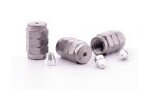 SGE Ferrules for GC
 standard graphite ferrules (for GC applications)
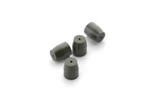 SGE Graphitized Vespel® Ferrules
 Vespel® ferrules contain 15% graphite and are ideal for glass and fused silica capillary columns.
 Inland 45 Mechanical Pump Oil
 Inland 45 is the highest quality rough pump oil you can use for your mass spectrometer.