

- ▶
- Heaters/Source
- ▶
- Agilent Heaters and SensorsMass Spectrometry, Scientific Supplies & ManufacturingScientific Instrument Services 5973 Source Heater Tamper Resistant Allen Wrench 5973/5975 Quad Sensor 5985 Source Heater Assembly Agilent Interface Heater Assembly 5971 Interface Heater
- ▶
- Lab/CleanMicro-Mesh® (Fine Cushioned Abrasive) Aluminum Oxide Cleaning Abrasive Fiberglass Cleaning Brushes Swabs and Applicators Nylon and Latex Gloves Cleaning Wipes SIS MS Source Cleaning Kits Dust-Off® Hurricane Canless Air System Wheaton Bottles Wheaton Vials Wheaton Closures Sterile Vials - Bottle, Stopper, and Cap - All Together Certified Sterile Kimble Chase Clear Serum Vials Soil Sampling Kits Crimpers and Decappers Temperature Measurement & Recording Devices Bullet Blender® Homogenizer The SW 110 Multi-Purpose Spot Welder New Era Syringe Pump Systems Ohaus MB Series Moisture Analyzers Celestron® Handheld Digital Microscope (HDM) Checkit® Pipette Accuracy Test Greenwood Lab Supplies Next Advance Lab Products Catalog Page G1
- ▶
- Next Advance Lab Products
- ▶
- Bullet Blender Accessories
- ▶
- Bullet Blender Beads (This Page)

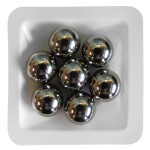
Description
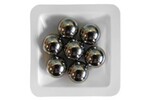
Beads are the components that strike and grind your samples resulting in tissue homogenization and cell lysis. A variety of beads are provided suitable for a wide array of samples. The general rule of thumb is to choose larger, denser beads for tougher samples. For more information about how to select the proper bead for your application, please see Bead Use and Selection.
We also provide RNase free beads for RNA extractions, bead lysis kits consisting of sample tubes preloaded with optimized bead mixtures, and Sample Bead Packs for different types of samples. Beads are sold by the pound (0.45kg)
Video
Beads for the Bullet Blender®
Beads are sold by the pound (0.45 kg)
| Glass 2.5 g/cc |
Zirconium Silicate 3.8 g/cc |
Zirconium Oxide 5.5 g/cc |
Stainless Steel 7.9 g/cc |
| GB01 - 0.1 mm | ZSB05 - 0.5 mm | ZROB015 - 0.15 mm | SSB02 - 0.2 mm |
| GB05 - 0.5 mm | ZSB10 - 1.0 mm | ZROB05 - 0.5 mm | SSB05 - 0.5 mm |
| GB10 - 1.0 mm | ZSB20 - 2.0 mm | ZROB10 - 1.0 mm | SSB14B - 0.9 - 2.0 mm size blend |
| ZROB20 - 2.0 mm | SSB16 - 1.6 mm | ||
| SSB32 - 3.2 mm | |||
| SSB48 - 4.8 mm |
RNAse-Free Beads
Sold by the 4 mL package
| Glass 2.5 g/cc |
Zirconium Oxide 5.5 g.cc |
Stainless Steel 7.9 g/cc |
| GB01-RNA - 0.1 mm | ZROB015-RNA - 0.15 mm | SSB02-RNA - 0.2 mm |
| GB05-RNA - 0.5 mm | ZROB05-RNA - 0.5 mm | SSB05-RNA - 0.5 mm |
| ZROB10-RNA - 1.0 mm | SSB14B-RNA - 0.9 - 2.0 mm size blend | |
| ZROB20-RNA - 2.0 mm |
Sample Packs
Sample packs come with a 10 mL tube of each type of included bead, EXCEPT the BSP-50B, which comes with 20 mL if each type of bead (in 50 mL tubes)
Bead Sample Pack for homogenizing cell cultures (BSP-CC)
Includes 0.1 mm glass, 0.15 mm ZrO2, and 0.2 mm stainless steel.
Bead Sample Pack for homogenizing tough organ tissues (BSP-OT)
Includes 0.5 mm, 1.0 mm and 2.0 mm ZrO2, 0.5 mm and 0.9 to 2.0 mm blend stainless steel.
Bead Sample Pack for homogenizing soft tissues (BSP-ST)
Includes 0.5 mm and 1.0 mm glass beads, 0.5, 1.0, and 2.0 mm ZrSiO4, and 0.5, 1.0, and 2.0 mm ZrO2.
Bead Sample Pack - complete set (BSP-ALL
Includes all sixteen varieties of the beads in stock (one 10 mL tube each).
Bead Sample Pack for use with microcentrifuge tubes (BSP-MC)
Includes 0.1 mm and 1.0 mm glass; 1.0 mm ZrSiO4; 0.5, 1.0 and 2.0 mm ZrO2; and 0.2 mm, 0.5, 0.9-2.0 mm, & 1.6 mm stainless steel beads.
Bead Sample Pack for use with 5 mL tubes (BSP-5M)
Includes 0.1 mm and 1.0 mm glass; 1.0 mm ZrSiO4; 0.5, 1.0 and 2.0 mm ZrO2; and 0.2 mm, 0.5, 0.9-2.0 mm, & 1.6 mm stainless steel beads
Jumbo Bead Sample Pack for use with 50 mL centrifuge tubes (BSP-50B)
Includes 0.1 mm glass; 2.0 mm ZrSiO4; 0.15 and 2.0 mm ZrO2; and 0.2 mm, 0.9-2.0 mm & 3.2 mm stainless steel beads. 20 mL of each. Also includes one 1.2 mL sterile bead spoon.
Bead Lysis Kits
All Next Advance Bead Lysis Kits (Pink, Green, Red, Navy) should be used for samples:- over 100mg in microcentrifuge tubes
- over 100mg in 5 mL tubes
- over 500mg in 50 mL tubes
Using Homogenization Beads
- Use a size of bead proportional to the size of your sample. For very small samples, such as cell culture or tiny pieces of tissue, use the smallest beads (0.2 mm or below). For large chunks of tissue, beads 1.0mm or greater may be needed (Beads larger than 1.6 mm are not recommended for microcentrifuge tubes).
- For tougher tissue, use denser beads (e.g. zirconium oxide and stainless steel). With soft tissue you can use less dense beads (e.g. glass and zirconium silicate).
- For isolation of organelles, use larger beads (0.5 mm or larger for cell culture, 1.0 mm or larger for tissue).
- Use the proper ratio of bead to sample. The amount you should use is:
| Bead | Mass Ratio* (sample-to-bead) |
|---|---|
| Glass | 1:1 |
| Zirconium Silicate | 1:1.5 |
| Zirconium Oxide | 1:2 |
| Stainless Steel | 1:3 |
Protocols for various sample types have been worked out so you can spend less time optimizing your experiments and more time getting results. Please see the protocol page for more information
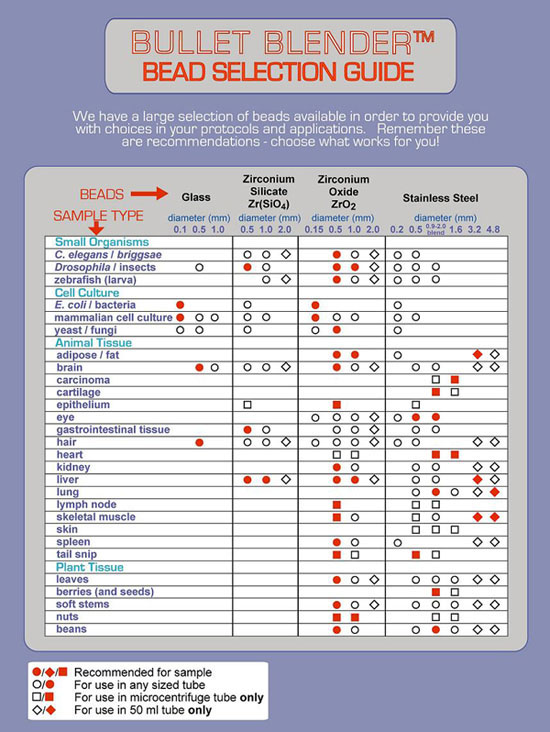
Bead Selection Guide
A selection of beads is provided in order to provide you with choices in your protocols and applications. Use the chart below for assistance in choosing the appropriate bead.
Bead Calculator
Since the bead amounts are based off of a mass ratio, a bead calculator table has been provided below as a simple way to know how many beads you will need to obtain a certain mass.
Useful estimation - a full scoop with a bead spatula will hold about 50 microliters of 1mm or smaller beads, and you can often approximate the appropriate amount of beads by volume by using a 2;1 sample-to-bead volume ratio. Please know that scoop size may vary with different sized beads or because of human error, and the amount of beads required may change based on the protocol. If you find that measuring by volume causes inconsistency, then go back to measuring by mass.
| Bead Material | Known Density (g/mL) | Observed Irregularly Packed Density (g/mL) | Weight of 100 µL of beads (mg) |
|---|---|---|---|
| Glass | 2.5 | 1.5 | 150 |
| Zirconium Silicate | 3.8 | 2.5 | 250 |
| Zirconium Oxide | 5.5 | 3.8 | 380 |
| Stainless Steel | 7.9 | 4.5 | 450 |
FAQ
Q: Can I wash and reuse the beads?
A: Yes you can! Many protocols that recommend acid washing use concentrated hydrochloric acid. This is fine for glass beads which are inert to hydrochloric acid, but it reacts with the surface of zirconium oxides generating reactive ceramic intermediates which may interfere with your experiment. We strongly advise against acid washing zirconium based beads. We also advise against acid washing stainless steel beads due to potential corrosion. Most Bullet Blender users choose to simply dispose of the beads after use since they are fairly inexpensive.
Q: How do I wash the beads?
A: Washing in standard laboratory detergent (like Alconox®), followed by rinsing with deionized water to remove detergent is sufficient. Make sure that no soapy bubbles remain before allowing the beads to dry.
Q: Are the beads RNase free?
A: Not unless specified. You can treat non-RNase clean beads with a reagent like RNAZap® or RNaseAWAY®, followed by rinsing with nuclease free/DEPC treated water. Allow the beads to air dry in an oven or at ambient temperature. Testing is required to determine the degree (or lack thereof) of nuclease activity before and after treatment. Alternatively, baking the beads at high temperature (450 °F / 232 °C) for two hours or more has been shown to inactivate RNases.
Q: Will the beads stick together when I wash them?
A: After washing, the beads may stick together upon drying. Gently shake the container with the dried beads until they flow freely.
Q: How many times can I reuse the beads?
A: You may wash and reuse the beads many times. How many uses you can get out of a batch of beads will depend on sample hardness and the speed at which you run the Bullet Blender®. Typically, you can reuse the beads about ten times. Stop reusing the beads when cracks appear or there is noticable wear, including discoloration.
Q: Do the beads need any preparation?
A: For protein or DNA applications you may autoclave the beads, otherwise they do not require additional preparation. For RNA extractions, we recommend washing the beads with RNase Zap® (Ambion, Inc.) or RNase Away® (Molecular BioProducts), then rinsing with nuclease free water, followed by autoclaving.
Q: How do I sterilize the beads?
A: They can be autoclaved on dry cycle to sterilize them. They may stick, so shake the container with the dried beads until they flow freely. Alternatively, they may be gamma irradiated or exposed to ethylene oxide. Any manipulations of the beads after sterilizing must use aseptic techniques in order to preserve the beads' sterility.
Q: Which beads are good for homogenizing which samples?
A: Check the Bead Selection Guide. The two basic rules: (1) use beads of approximately the same size as the size of your samples, to maximize the collisions between beads and samples, and (2) use denser beads for tougher samples.
Q: How do I separate beads from the homogenized sample?
A: After homogenization, spin your tubes in a centrifuge for a few seconds. The beads will pool at the bottom of the tube. Remove the homogenate with a pipette and dispense in a fresh tube.
| Part No. | Description | Quantity In Stock |
UOM | Price | Order |
|---|---|---|---|---|---|
| Beads | |||||
| GB01 | GLASS BEADS 0.1MM GLASS BEADS. 0.1MM. 1 LB. NON-STERILE. | DISCONTINUED | EA | --- | --- |
| GB05 | GLASS BEADS 0.5MM GLASS BEADS. 0.5MM. 1 LB. NON-STERILE. | 0†Standard lead-time for non-stock items is approximately two weeks depending on the item. | EA | $53.99 | |
| GB10 | GLASS BEADS 1.0MM GLASS BEADS. 1.0MM. 1 LB. NON-STERILE. | DISCONTINUED | EA | --- | --- |
| ZSB05 | ZIRCONIUM SILICATE BEADS 0.5MM ZIRCONIUM SILICATE BEADS . 0.5MM. 1 LB. NON-STERILE. | DISCONTINUED | EA | --- | --- |
| ZSB10 | ZIRCONIUM SILICATE BEADS 1.0MM ZIRCONIUM SILICATE BEADS . 1.0MM. 1 LB. NON-STERILE. | DISCONTINUED | EA | --- | --- |
| ZSB20 | ZIRCONIUM SILICATE BEADS 2.0MM ZIRCONIUM SILICATE BEADS . 2.0MM. 1 LB. NON-STERILE. | DISCONTINUED | EA | --- | --- |
| ZROB015 | ZIRCONIUM OXIDE BEADS 0.15MM ZIRCONIUM OXIDE BEADS . 0.15MM. 1 LB. NON-STERILE. | DISCONTINUED | EA | --- | --- |
| ZROB05 | ZIRCONIUM OXIDE BEADS 0.5MM ZIRCONIUM OXIDE BEADS . 0.5MM. 1 LB. NON-STERILE. | 0†Standard lead-time for non-stock items is approximately two weeks depending on the item. | EA | $116.50 | |
| ZROB10 | ZIRCONIUM OXIDE BEADS 1.0MM ZIRCONIUM OXIDE BEADS . 1.0MM. 1 LB. NON-STERILE. | 0†Standard lead-time for non-stock items is approximately two weeks depending on the item. | EA | $90.30 | |
| ZROB20 | ZIRCONIUM OXIDE BEADS 2.0MM ZIRCONIUM OXIDE BEADS . 2.0MM. 1 LB. NON-STERILE. | DISCONTINUED | EA | --- | --- |
| SSB02 | STAINLESS STEEL BEADS 0.2MM STAINLESS STEEL BEADS. 0.2MM. 1 LB. NON-STERILE. | DISCONTINUED | EA | --- | --- |
| SSB05 | STAINLESS STEEL BEADS 0.5MM STAINLESS STEEL BEADS. 0.5MM. 1 LB. NON-STERILE. | 0†Standard lead-time for non-stock items is approximately two weeks depending on the item. | EA | $157.60 | |
| SSB14B | STAINLESS STEEL BEADS 0.9 - 2.0MM BLEND STAINLESS STEEL BEADS. 0.9 - 2.0MM. 1 LB. ; NON-STERILE. | DISCONTINUED | EA | --- | --- |
| SSB16 | STAINLESS STEEL BEADS 1.6MM STAINLESS STEEL BEADS. 1.6MM. 1 LB. NON-STERILE. | DISCONTINUED | EA | --- | --- |
| SSB32 | STAINLESS STEEL BEADS 3.2MM STAINLESS STEEL BEADS. 3.2MM. 1 LB. NON-STERILE. | 0†Standard lead-time for non-stock items is approximately two weeks depending on the item. | EA | $147.42 | |
| SSB48 | STAINLESS STEEL BEADS 4.8MM STAINLESS STEEL BEADS. 4.8MM. 1 LB. NON-STERILE. | DISCONTINUED | EA | --- | --- |
| RNase Free Beads | |||||
| SSB60 | STAINLESS STEEL BEADS 6.0MM STAINLESS STEEL BEADS. 6.0MM. 1 LB. NON-STERILE. | 30 | EA | $128.20 | |
| GB01RNA | GLASS BEADS 0.1MM RNASE FREE GLASS BEADS. 0.1MM. 4ML. RNASE FREE. | DISCONTINUED | EA | --- | --- |
| GB05RNA | GLASS BEADS 0.5MM RNASE FREE GLASS BEADS. 0.5MM. 4ML. RNASE FREE. | 0†Standard lead-time for non-stock items is approximately two weeks depending on the item. | EA | $39.50 | |
| ZROB015RNA | ZIRCONIUM OXIDE BEADS 0.15MM RNASE FREE ZIRCONIUM OXIDE BEADS . 0.15MM. 4ML. ; RNASE-FREE. | DISCONTINUED | EA | --- | --- |
| ZROB05RNA | ZIRCONIUM OXIDE BEADS 0.5MM RNASE FREE ZIRCONIUM OXIDE BEADS . 0.5MM. 4ML. ; RNASE-FREE. | DISCONTINUED | EA | --- | --- |
| ZROB10RNA | ZIRCONIUM OXIDE BEADS 1.0MM RNASE FREE ZIRCONIUM OXIDE BEADS . 1.0MM. 4ML. ; RNASE-FREE. | DISCONTINUED | EA | --- | --- |
| ZROB20RNA | ZIRCONIUM OXIDE BEADS 2.0MM RNASE FREE ZIRCONIUM OXIDE BEADS . 2.0MM. 4ML. ; RNASE-FREE. | DISCONTINUED | EA | --- | --- |
| SSB14BRNA | STAINLESS STEEL BEADS 0.9 - 2.0MM BLEND RNASE FREE STAINLESS STEEL BEADS. 0.9 - 2.0MM. ; 4ML. RNASE FREE. | 0†Standard lead-time for non-stock items is approximately two weeks depending on the item. | EA | $68.10 | |
| SSB02RNA | STAINLESS STEEL BEADS 0.2MM RNASE FREE STAINLESS STEEL BEADS. 0.2MM. 4ML. RNASE; FREE. | 0†Standard lead-time for non-stock items is approximately two weeks depending on the item. | EA | $54.40 | |
| SSB05RNA | STAINLESS STEEL BEADS 0.5MM RNASE FREE STAINLESS STEEL BEADS. 0.5MM. 4ML. RNASE; FREE. | DISCONTINUED | EA | --- | --- |
| BSPCC | SAMPLE PACK WITH 3 TYPES | DISCONTINUED | EA | --- | --- |
| BSPST | BEAD SAMPLE PACK - SOFT TISSUES BEAD SAMPLE PACK FOR HOMOGENIZATION OF SOFT TISSUES. ; INCLUDES 10ML OF: GB05, GB10, ZSB05 | DISCONTINUED | EA | --- | --- |
| Sample Packs of Beads | |||||
| BSPALL | BEAD SAMPLE PACK - FULL SET BEAD SAMPLE PACK INLCUDES SAMPLING OF EACH 16 BEAD TYPES IN; 10ML TUBES. INCLUDES A 0.1ML | DISCONTINUED | EA | --- | --- |
| BSPMC | Bead Sample Pack - 1.5mL Set Bead sample pack for Bullet Blender 1.5mL tube models. Includes 10mL of: GB01, GB05, ZROB05, ZROB10, ZROB20, SSB02, SSB14B and SSB32. Includes a 0.1mL scoop and micro-spatula. | PART NUMBER OUTDATED. New number is BSPMC2(#) | EA | --- | --- |
| BSP5M | BEAD SAMPLE PACK - 5ML SET BEAD SAMPLE PACK FOR BULLET BLENDER 5ML TUBE MODELS. ; INCLUDES 10ML OF: GB01, GB05, ZROB05, ZROB10, ZROB20, SSB02,; SSB14B AND SSB32. INCLUDES | DISCONTINUED | EA | --- | --- |
| BSP50B | BEAD SAMPLE PACK - 50ML SET BEAD SAMPLE PACK FOR BULLET BLENDER 50ML TUBE MODELS. ; INCLUDES 20ML OF: GB01, ZROB015, ZROB05, ZROB10, ZROB20, SSB02,; SSB14B AND SSB48. | DISCONTINUED | EA | --- | --- |
| Pink Bead Lysis Kit | |||||
| PINKR1 | PINK RINO LYSIS KIT 50 BEAD LYSIS KITS FOR THE HOMOGENIZATION OF SMALL, SOFT OR; MEDIUM-TOUGH SAMPLES. PACK OF 50, 1.5ML RINO SCREW-CAP TUBES; PREFILLED WITH STABILIZED | DISCONTINUED | PK | --- | --- |
| PINKR1RNA | PINK RINO RNA LYSIS KIT 50 BEAD LYSIS KITS FOR THE HOMOGENIZATION OF SMALL, SOFT OR; MEDIUM-TOUGH SAMPLES. PACK OF 50, 1.5ML RINO SCREW-CAP TUBES; PREFILLED WITH | DISCONTINUED | PK | --- | --- |
| PINKR5 | PINK RINO LYSIS KIT 250 BEAD LYSIS KITS FOR THE HOMOGENIZATION OF SMALL, SOFT OR; MEDIUM-TOUGH SAMPLES. PACK OF 250, 1.5ML RINO SCREW-CAP TUBES; PREFILLED WITH STABILIZED | 0†Standard lead-time for non-stock items is approximately two weeks depending on the item. | PK | $520.10 | |
| PINKR5RNA | PINK RINO RNA LYSIS KIT 250 BEAD LYSIS KITS FOR THE HOMOGENIZATION OF SMALL, SOFT OR; MEDIUM-TOUGH SAMPLES. PACK OF 50, 1.5ML RINO SCREW-CAP TUBES; PREFILLED WITH | DISCONTINUED | PK | --- | --- |
| PINKE1 | PINK LYSIS KIT 50 BEAD LYSIS KITS FOR THE HOMOGENIZATION OF SMALL, SOFT OR; MEDIUM-TOUGH SAMPLES. PACK OF 50, 1.5ML EPPENDORF SAFE-LOCK; TUBES PREFILLED WITH STABILIZED | DISCONTINUED | PK | --- | --- |
| PINKE1RNA | PINK RNA LYSIS KIT 50 BEAD LYSIS KITS FOR THE HOMOGENIZATION OF SMALL, SOFT OR; MEDIUM-TOUGH SAMPLES. PACK OF 50, 1.5ML EPPENDORF SAFE-LOCK; TUBES PREFILLED WITH | DISCONTINUED | PK | --- | --- |
| PINKE5 | PINK LYSIS KIT 250 BEAD LYSIS KITS FOR THE HOMOGENIZATION OF SMALL, SOFT OR; MEDIUM-TOUGH SAMPLES. PACK OF 250, 1.5ML EPPENDORF SAFE-LOCK; TUBES PREFILLED WITH STABILIZED | DISCONTINUED | PK | --- | --- |
| PINKE5RNA | PINK RNA LYSIS KIT 250 BEAD LYSIS KITS FOR THE HOMOGENIZATION OF SMALL, SOFT OR ; MEDIUM-TOUGH SAMPLES. PACK OF 250, 1.5ML EPPENDORF SAFE-LOCK; TUBES PREFILLED WITH | DISCONTINUED | PK | --- | --- |
| Green Bead Lysis Kit | |||||
| GREENR1 | GREEN RINO LYSIS KIT 50 BEAD LYSIS KITS FOR THE HOMOGENIZATION OF SMALL, TOUGH SAMPLES.; PACK OF 50, 1.5ML RINO SCREW-CAP | DISCONTINUED | PK | --- | --- |
| GREENR1RNA | GREEN RINO RNA LYSIS KIT 50 BEAD LYSIS KITS FOR THE HOMOGENIZATION OF SMALL, TOUGH; SAMPLES. PACK OF 50, 1.5ML RINO | DISCONTINUED | PK | --- | --- |
| GREENR5 | GREEN RINO LYSIS KIT 250 BEAD LYSIS KITS FOR THE HOMOGENIZATION OF SMALL, TOUGH SAMPLES.; PACK OF 250, 1.5ML RINO SCREW-CAP | DISCONTINUED | PK | --- | --- |
| GREENR5RNA | GREEN RINO RNA LYSIS KIT 250 BEAD LYSIS KITS FOR THE HOMOGENIZATION OF SMALL , TOUGH; SAMPLES. PACK OF 250, 1.5ML RINO | DISCONTINUED | PK | --- | --- |
| GREENE1 | GREEN LYSIS KIT 50 BEAD LYSIS KITS FOR THE HOMOGENIZATION OF SMALL, TOUGH SAMPLES. PACK; OF 50, 1.5ML EPPENDORF SAFE-LOCK | DISCONTINUED | PK | --- | --- |
| GREENE1RNA | GREEN RNA LYSIS KIT 50 BEAD LYSIS KITS FOR THE HOMOGENIZATION OF SMALL, TOUGH SAMPLES.; PACK OF 50, 1.5ML EPPENDORF | DISCONTINUED | PK | --- | --- |
| GREENE5 | GREEN LYSIS KIT 250 BEAD LYSIS KITS FOR THE HOMOGENIZATION OF SMALL, TOUGH SAMPLES. PACK; OF 250, 1.5ML EPPENDORF SAFE-LOCK | DISCONTINUED | PK | --- | --- |
| GREENE5RNA | GREEN RNA LYSIS KIT 250 BEAD LYSIS KITS FOR THE HOMOGENIZATION OF SMALL, TOUGH SAMPLES.; PACK OF 250, 1.5ML EPPENDORF | DISCONTINUED | PK | --- | --- |
| Red Bead Lysis Kit | |||||
| REDR1 | RED RINO LYSIS KIT 50 BEAD LYSIS KITS FOR THE HOMOGENIZATION OF LARGE, SOFT OR; MEDIUM-TOUGH SAMPLES. PACK OF 50, 1.5ML RINO SCREW-CAP TUBES; PREFILLED WITH STABILIZED | DISCONTINUED | PK | --- | --- |
| REDR1RNA | RED RINO RNA LYSIS KIT 50 BEAD LYSIS KITS FOR THE HOMOGENIZATION OF LARGE, SOFT OR MEDIUM-TOUGH SAMPLES. PACK OF 50, 1.5ML RINO SCREW-CAP TUBES; PREFILLED WITH STABILIZED | DISCONTINUED | PK | --- | --- |
| REDR5 | RED RINO LYSIS KIT 250 BEAD LYSIS KITS FOR THE HOMOGENIZATION OF LARGE, SOFT OR; MEDIUM-TOUGH SAMPLES. PACK OF 250, 1.5ML RINO SCREW-CAP TUBES; PREFILLED WITH STABILIZED | DISCONTINUED | PK | --- | --- |
| REDR5RNA | RED RINO RNA LYSIS KIT 250 BEAD LYSIS KITS FOR THE HOMOGENIZATION OF LARGE, SOFT OR; MEDIUM-TOUGH SAMPLES. PACK OF 250, 1.5ML RINO SCREW-CAP TUBES; PREFILLED WITH | DISCONTINUED | PK | --- | --- |
| REDE1 | RED LYSIS KIT 50 BEAD LYSIS KITS FOR THE HOMOGENIZATION OF LARGE, SOFT OR MEDIUM-TOUGH; SAMPLES. PACK OF 50, 1.5ML EPPENDORF SAFE-LOCK TUBES PREFILLED; WITH STABILIZED | DISCONTINUED | PK | --- | --- |
| REDE1RNA | RED RNA LYSIS KIT 50 BEAD LYSIS KITS FOR THE HOMOGENIZATION OF LARGE, MEDIUM-TOUGH; SAMPLES. PACK OF 50, 1.5ML EPPENDORF SAFE-LOCK TUBES PREFILLED; WITH STABILIZED | DISCONTINUED | PK | --- | --- |
| REDE5 | RED LYSIS KIT 250 BEAD LYSIS KITS FOR THE HOMOGENIZATION OF LARGE, SOFT OR MEDIUM-TOUGH; SAMPLES. PACK OF 250, 1.5ML EPPENDORF SAFE-LOCK TUBES; PREFILLED WITH STABILIZED | DISCONTINUED | PK | --- | --- |
| REDE5RNA | RED RNA LYSIS KIT 250 BEAD LYSIS KITS FOR THE HOMOGENIZATION OF LARGE, SOFT OR; MEDIUM-TOUGH SAMPLES. PACK OF 250, 1.5ML EPPENDORF SAFE-LOCK; TUBES PREFILLED WITH | DISCONTINUED | PK | --- | --- |
| Navy Bead Lysis Kit | |||||
| NAVYR1 | NAVY RINO LYSIS KIT 50 BEAD LYSIS KITS FOR THE HOMOGENIZATION OF LARGE, TOUGH SAMPLES.; PACK OF 50, 1.5ML RINO SCREW-CAP | DISCONTINUED | PK | --- | --- |
| NAVYR1RNA | NAVY RINO RNA LYSIS KIT 50 BEAD LYSIS KITS FOR THE HOMOGENIZATION OF LARGE, TOUGH; SAMPLES. PACK OF 50, 1.5ML RINO SCREW-CAP TUBES PREFILLED WITH; STAINLESS STEEL | DISCONTINUED | PK | --- | --- |
| NAVYR5 | NAVY RINO LYSIS KIT 250 BEAD LYSIS KITS FOR THE HOMOGENIZATION OF LARGE, TOUGH SAMPLES.; PACK OF 250, 1.5ML RINO SCREW-CAP | DISCONTINUED | PK | --- | --- |
| NAVYR5RNA | NAVY RINO RNA LYSIS KIT 250 BEAD LYSIS KITS FOR THE HOMOGENIZATION OF LARGE, TOUGH; SAMPLES. PACK OF 250, 1.5ML RINO SCREW-CAP TUBES PREFILLED; WITH STAINLESS STEEL | DISCONTINUED | PK | --- | --- |
| NAVYE1 | NAVY LYSIS KIT 50 BEAD LYSIS KITS FOR THE HOMOGENIZATION OF LARGE, TOUGH SAMPLES. PACK; OF 50, 1.5ML EPPENDORF SAFE-LOCK | DISCONTINUED | PK | --- | --- |
| NAVYE1RNA | NAVY RNA LYSIS KIT 50 BEAD LYSIS KITS FOR THE HOMOGENIZATION OF LARGE, TOUGH SAMPLES.; PACK OF 50, 1.5ML EPPENDORF SAFE-LOCK TUBES PREFILLED WITH; STAINLESS STEEL BEADS. | DISCONTINUED | PK | --- | --- |
| NAVYE5 | NAVY LYSIS KIT 250 BEAD LYSIS KITS FOR THE HOMOGENIZATION OF LARGE, TOUGH SAMPLES. ; PACK OF 250, 1.5ML EPPENDORF | DISCONTINUED | PK | --- | --- |
| NAVYE5RNA | NAVY RNA LYSIS KIT 250 BEAD LYSIS KITS FOR THE HOMOGENIZATION OF LARGE, TOUGH SAMPLES.; PACK OF 250, 1.5ML EPPENDORF SAFE-LOCK TUBES PREFILLED WITH; STAINLESS STEEL | DISCONTINUED | PK | --- | --- |
|
* Call for availability. † Standard lead-time for non-stock items is approximately two weeks depending on the item. | |||||
 Ordering information.
International (non-US) prices available through your
local dealer.
Ordering information.
International (non-US) prices available through your
local dealer.
|
|||||
 New Era Plastic and Glass Syringes and Plumbing Supplies New Era Dual Pump Plumbing Kit